
About VirtualRanger
VirtualRanger is an AI-powered platform that connects communities in Africa to nearby NGOs to allow them to report human-wildlife conflicts in real-time via WhatsApp.
Our story
VirtualRanger was founded in 2024 by Will May in partnership with Mara Elephant Project. After learning about the problem of Human-wildlife conflict and the constraints that traditional reporting routes had, he figured he could build an AI Chatbot that would connect communities to nearby NGOs through the communication channels they were already using. The first version of VirtualRanger launched in September of 2024 as a basic chatbot integrated into Telegram.
VirtualRanger now runs on WhatsApp, using its buttons and built-in location sharing so that reporting takes a few taps rather than typing, which keeps it accessible for people with lower literacy levels. The whole flow is available in Swahili as well as English, and reporters can switch language at any point in the conversation.
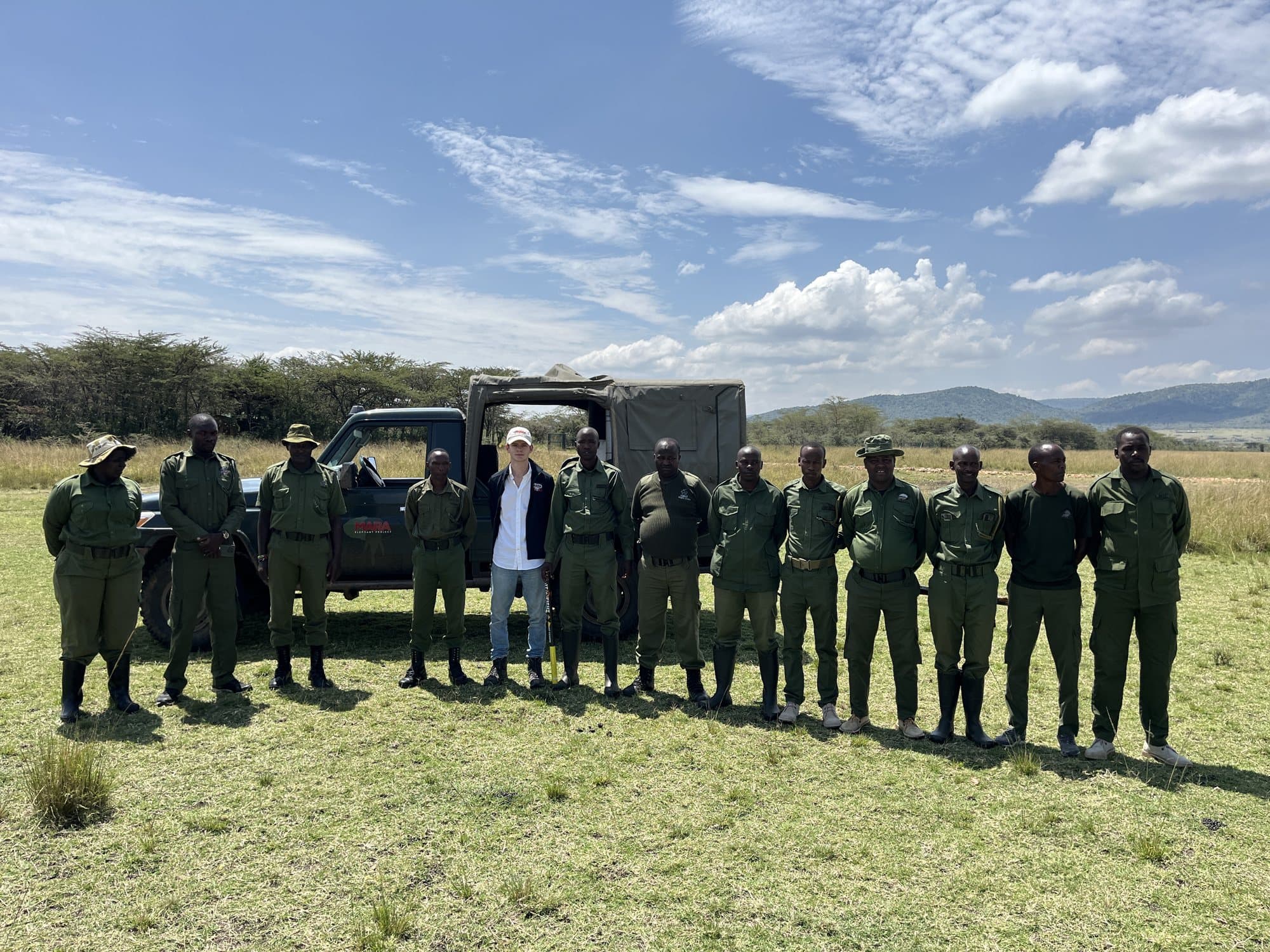
Founder
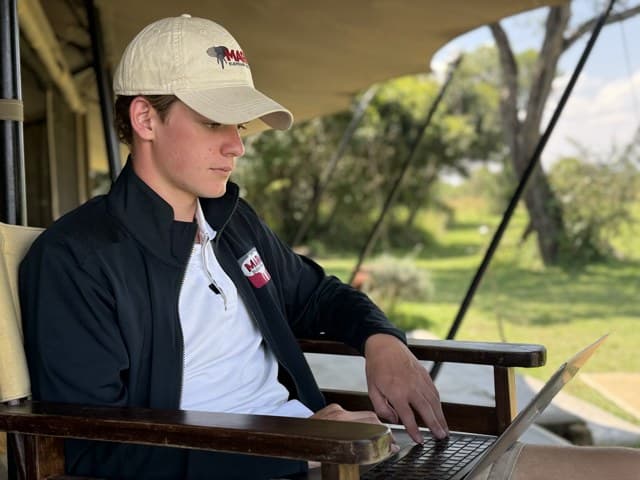
Will May
Founder, VirtualRanger
Will founded VirtualRanger in 2024 while studying at Henley Business School, University of Reading.
He built the first version himself and still runs the platform day to day: the WhatsApp flow, the routing and data behind it, and the dashboard partner teams use. He works directly with MEP's rangers and community trainers on what gets built next, and with partners and funders on bringing VirtualRanger to new landscapes. VirtualRanger operates through his company, Talek Developments Limited.
Our partners
MEP's rangers receive VirtualRanger reports and respond to human-elephant conflict across the Mara. MEP were the first organisation to deploy VirtualRanger and led the pilot program and the community training behind it.
Visit website ↗
HME is a UK conservation charity that works to protect African elephants and champion female wildlife rangers globally. HME is VirtualRanger's strategic partner, hosting the funding that supports delivery in the Mara.
Visit website ↗
“Sylvia has helped equip more than 340 people, including rangers and community members, with the tools and confidence to use the platform, helping incidents move from local reporting to ranger awareness in under three minutes.”